Guide · Pennsylvania
How to start a meal prep business in Pennsylvania
Pennsylvania lets you bake cookies at home for sale, but a chilled chicken-and-rice meal has to come from a licensed kitchen. This guide covers the license, the kitchen, the food manager certificate, labels, sales tax and getting chilled meals to customers. It is guidance, not legal advice: fees and rules change, so confirm each step with the Pennsylvania Department of Agriculture, your county health department and the Department of Revenue before you pay or sign anything.
Last reviewed:
Licenses and permits
Who licenses your kitchen depends on the county it is in. The Pennsylvania Department of Agriculture (PDA) issues Retail Food Facility Licenses to restaurants, caterers, grocery stores and similar facilities that sell or serve food directly to consumers. If the kitchen is in Allegheny, Bucks, Chester, Delaware, Erie, Montgomery or Philadelphia County, PDA tells applicants to contact the county health department instead.
PDA charges no fee for plan review, and all material must be submitted at least 60 days before you prepare or sell food. Its license fee is $241 for a new retail food facility, $103 for a new facility with under 50 seats that is owner operated, and $82 for the annual renewal.
In Pittsburgh and the rest of Allegheny County the Allegheny County Health Department (ACHD) issues the permit. Its fee schedule, effective January 1, 2024, charges annual permit fees for permanent food facilities and shared kitchen users from $128 for Class I to $404 for Class IV, and plan review fees from no fee for Class I to $202 for Class IV. Annual fees received after the due date carry a 25 percent late fee. A new or remodeled facility needs its plans approved before construction begins, and the application includes a menu, an equipment list, floor and site plans and a sales and use tax license or proof that you applied for one.
- PDA Retail Food Facility License, new: $241.
- PDA, new, under 50 seats and owner operated: $103.
- PDA annual renewal: $82.
- ACHD annual permit (2024 schedule): $128 to $404 depending on class.
- ACHD pre-operational inspection: request it 10 days in advance.
Where you can cook
Pennsylvania's home kitchen route is the Limited Food Establishment, registered with PDA. PDA describes it as a residential-style kitchen used to prepare non-hazardous foods: shelf-stable foods such as baked goods without cream fillings, jams, jellies, candies and certain snack mixes. PDA says foods requiring refrigeration or hot holding are not permitted. The registration fee is $35, with a $35 annual renewal, and it follows an inspection of the kitchen.
A typical meal-prep menu of cooked meat, fish, rice and vegetables needs refrigeration, so it cannot come from a Limited Food Establishment. Plan on a licensed kitchen from the start: your own licensed space, or time in a shared kitchen.
In Allegheny County a shared kitchen is a food facility where three or more food businesses use shared space or equipment. The operator holds the main food permit, and each business using the kitchen needs its own Shared Kitchen User permit. The application includes the operator's permit, a letter granting you access to the equipment, your equipment list, a proposed menu and proof of a sales and use tax license, and each user must keep a Certified Food Protection Manager on site.
- Limited Food Establishment: shelf-stable foods only, $35 to register and $35 a year to renew.
- Meals that need refrigeration: a licensed kitchen only.
- Shared kitchen in Allegheny County: a separate Shared Kitchen User permit for each business.
Food safety certificates and inspections
Since January 22, 2011, Pennsylvania's Food Employee Certification Act has required at least one employee at each licensed food facility to hold a nationally recognized food manager certificate. PDA says the certificate must be posted in public view and that new facilities have 90 days to comply.
Allegheny, Bucks, Chester, Montgomery and Philadelphia counties and State College Borough run their own certification programs, so check with the local health department if your kitchen is there. Pennsylvania's food code, 7 Pa. Code Chapter 46, adopts the current edition of the FDA Food Code, which is the standard inspectors work from.
- At least one certified food manager per licensed facility.
- Post the certificate where the public can see it.
- New facilities: 90 days to comply.
Labeling packed meals
PDA requires products from a Limited Food Establishment to carry the product name, the ingredients in descending order by weight, the net weight or volume, the business name and address, and an allergen declaration where it applies. The same information is a sound starting point for every packed meal, and your licensing authority can tell you what else applies to the way you sell.
Federal law names nine major food allergens: milk, eggs, fish, crustacean shellfish, tree nuts, peanuts, wheat, soybeans and sesame. Sesame became the ninth on January 1, 2023. The FDA says a food containing one of them must name the allergen source on the label, either in parentheses after the ingredient or in a "Contains" statement next to the ingredient list, and must name the specific tree nut, fish or shellfish.
Meal-prep customers compare calories and protein, so print nutrition from the recipe you actually cooked and change the label when the recipe changes.
Insurance
None of the Pennsylvania sources this guide relies on makes business insurance a legal requirement for a meal-prep business, so treat it as a business decision rather than a licensing step. Confirm with your county or PDA whether anything is required for your kind of operation.
Ask your insurance adviser about general and product liability cover for the food you sell, and about cover for the vehicles you deliver in. Shared kitchens, landlords and wholesale customers may set their own insurance requirements in their contracts, so read those before you sign.
Registering the business and sales tax
A limited liability company files a certificate of organization with the Pennsylvania Department of State; the fee is $125. A fictitious name registration costs $70, and an LLC's annual report costs $7.
The Department of Revenue says the sale of food and non-alcoholic beverages by a caterer or eating establishment is taxable whether the customer eats in or takes out. Its regulation on food also lists meals and sandwiches among the items that are taxable even when a grocery or other retailer sells them. The state rate is 6 percent, and Allegheny County and Philadelphia add 1 percent and 2 percent.
Act 21 of 2026, enacted July 12, 2026, changed local sales tax from the seller's location to the place the product is delivered, and the Department of Revenue says it will begin enforcing the new rule on October 1, 2026. A kitchen that delivers into Allegheny County or Philadelphia should ask the Department how that applies to its orders. A sales tax license is required to collect tax, and there is no fee to apply through myPATH.
- LLC certificate of organization: $125.
- Fictitious name registration: $70.
- Sales tax: 6 percent, plus 1 percent in Allegheny County and 2 percent in Philadelphia.
- Sales tax license: free, through myPATH.
Keeping meals cold on delivery
The FDA advises keeping the refrigerator at or below 40°F and never leaving perishable food such as meat, poultry, seafood and eggs at room temperature for more than two hours, or one hour when the air is above 90°F. Keep meals in insulated bags or coolers with ice packs from the kitchen fridge to the door.
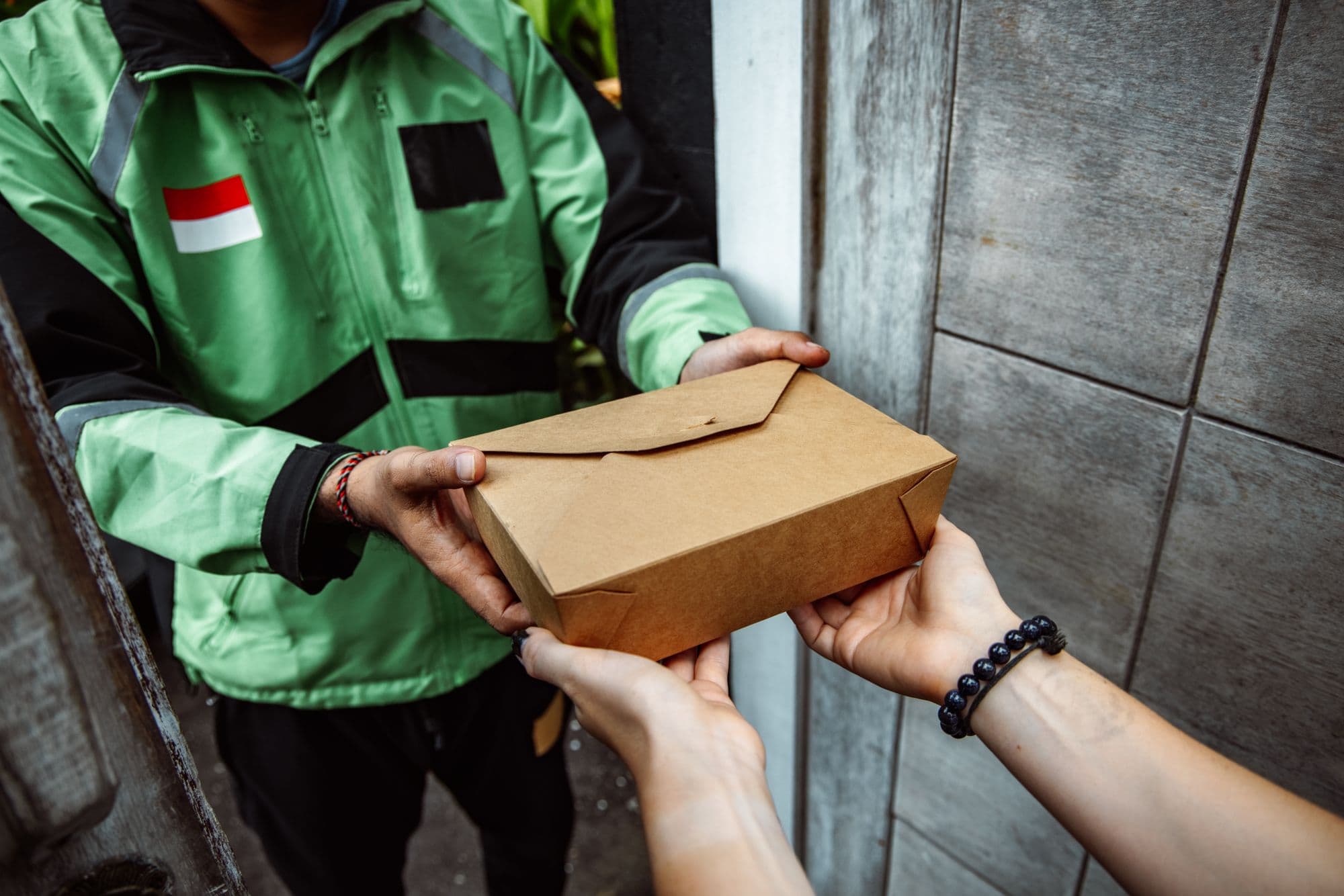
Pennsylvania winters add ice and snow to the route and summers add humidity, so keep routes short, give customers a delivery window and build each day's route from that day's orders. A photo at each drop settles most missing-box questions.
Price your meals and run the business on one system
Cost each meal from its recipe: ingredients, packaging and the label, then add your kitchen time, delivery and card fees per meal before you set a price. Most meal-prep businesses sell weekly plans with a cut-off for choosing meals, which tells you exactly what to buy and cook before you spend anything.
Once orders arrive every week, the work is keeping the menu, the cut-offs, the kitchen's quantities, the labels and the delivery routes in step. Meal prep software such as Mealforma runs orders, subscriptions, kitchen production, labels and delivery routes for a Pennsylvania business on one system, for a flat monthly price and never a cut of your sales.
Checklist
- Check your menu: meals that need refrigeration cannot be made in a Limited Food Establishment.
- Find out whether PDA or your county health department licenses kitchens where you will cook.
- Choose a kitchen: your own licensed space or a permit as a shared kitchen user.
- Register for a sales tax license through myPATH; Allegheny County asks for it with the application.
- Submit plans at least 60 days before you sell food (PDA), or before construction (ACHD).
- Pass the pre-operational inspection and pay the license or permit fee.
- Get a nationally recognized food manager certificate and post it.
- Form the business with the Department of State and register any fictitious name.
- Design labels with ingredients, the nine major allergens and nutrition.
- Arrange insurance and cold bags or coolers for delivery.
- Set your plans, prices, cut-off and delivery days, then open orders.
Questions
Can I sell meal prep from home in Pennsylvania?
Not meals that need refrigeration. A home kitchen registered with PDA as a Limited Food Establishment may make only shelf-stable foods such as baked goods without cream fillings, jams, jellies and candies, and PDA says foods requiring refrigeration or hot holding are not permitted.
Who issues my food license?
PDA, unless the kitchen is in Allegheny, Bucks, Chester, Delaware, Erie, Montgomery or Philadelphia County, where the county health department licenses food facilities. In Pittsburgh that is the Allegheny County Health Department.
How much does a food license cost in Pennsylvania?
PDA charges $241 for a new retail food facility, $103 for a new owner-operated facility with under 50 seats, and $82 a year to renew, with no plan review fee. In Allegheny County the 2024 schedule sets annual permits from $128 to $404 depending on the facility's class.
Do I need a food manager certificate?
Yes. At least one employee at each licensed food facility must hold a nationally recognized food manager certificate, posted in public view. New facilities have 90 days to comply, and some counties run their own programs.
Can I use a shared commercial kitchen in Pittsburgh?
Yes. In Allegheny County the kitchen operator holds the main permit and each business using it needs its own Shared Kitchen User permit, with a Certified Food Protection Manager on site.
Do I charge sales tax on meal prep in Pennsylvania?
The Department of Revenue treats meals sold by caterers and eating establishments as taxable, and lists meals among the taxable items even for other retailers. The rate is 6 percent, plus 1 percent in Allegheny County and 2 percent in Philadelphia. Confirm how your menu is treated with the Department.
What software do meal prep businesses use?
Many start with spreadsheets and a general online store, then move to meal prep software once weekly orders, cut-offs, labels and routes are hard to keep in step. Mealforma runs them on one system for a flat monthly price.
Sources
- Pennsylvania Department of Agriculture — Limited food establishment
- Pennsylvania Department of Agriculture — Retail food facilities and restaurants
- Pennsylvania Department of Agriculture — Food employee certification
- 7 Pa. Code Chapter 46 — Food code; food employee certification
- Allegheny County Health Department — Food safety fee schedule (effective January 1, 2024)
- Allegheny County Health Department — Permanent food facility, new construction, remodel
- Allegheny County Health Department — Shared kitchens
- Allegheny County Health Department — Limited food establishments
- Pennsylvania Department of Revenue — Restaurant industry guidance
- Pennsylvania Department of Revenue — Local sales tax
- 61 Pa. Code § 60.7 — Sale and preparation of food and beverages
- Pennsylvania Business One-Stop Hub — Sales tax license
- Pennsylvania Department of State — Business fees and payments
- U.S. FDA — Food allergies
- U.S. FDA — Are you storing food safely?
Meal prep software in Pennsylvania
Run your Pennsylvania meal-prep business on one system.
Storefront, subscriptions, kitchen production, labels and delivery routing in one platform — a flat monthly price, never a cut of your sales.
7-day free trial on a real account · from $249/month · never a cut of your sales